Your inbox pings, and you open another RTO update from leadership.
Here's what that email is really saying to you: "We need your help in making this work."
Leadership has a vision, your team has concerns, and you're the bridge that determines whether this transition strengthens or fractures the organization.
New FlexJobs data reveals the stakes: 53% of employees face RTO mandates (up from 23% last year), while 76% would consider leaving if flexibility disappeared entirely.
This isn't an impossible position. It's a critical leadership opportunity for you.
Before we dive into the strategy, I've put together a complete RTO Toolkit with frameworks, scripts, and templates to help you navigate this transition, linked at the end of this email.
Your Role as the Strategic Bridge
When the C-suite makes RTO decisions, they're thinking about real estate investments, organizational culture, competitive positioning, and long-term strategic goals.
When your team hears "return-to-office," they're thinking about daily logistics, personal productivity, trust and autonomy, and career satisfaction.
Neither perspective is wrong, but both are incomplete without the other.
As a middle manager, you're not just implementing a policy; you're translating strategic vision into operational reality while ensuring that reality informs future strategy.
Successful transitions look like:
- Middle managers who understand the "why" become authentic advocates
- Teams that see their manager as a bridge (not an enforcer) engage positively with change
- Organizations that leverage middle manager insights create more effective policies
- Leaders who position managers as strategic partners get better outcomes
Here are 3 ways to achieve the aforementioned success (Reminder: each of these strategies includes detailed templates and scripts in the RTO Toolkit, linked at the end of this email)
1. Become a Strategic Translator
Instead of "Here's what you have to do," try:
- "Let me share why leadership is prioritizing this, then we'll talk about making it work for our team."
- "Here's how being together more often could help us achieve [specific team objective]"
- "What would need to be true about our office days to make this feel like an investment in our success?"
Sample script:"Leadership is focused on [specific business goal]. The data suggests that [specific benefit] happens more effectively when we're together. This isn't about fixing broken productivity - we've been successful. It's about taking our strong performance to the next level. My job is to help us capture these benefits while addressing your real concerns."
2. Build Data-Driven Partnerships with Leadership
Track metrics that matter to both your team and the business:
- Collaboration effectiveness (pre/post RTO)
- Innovation metrics (ideas generated, cross-team projects)
- Client satisfaction during transition
- Team engagement and retention
Share regular strategic intelligence with leadership:
- What's working well and should be replicated
- Challenges that need strategic attention
- Team innovations that exceed expectations
- Market intelligence from your frontline perspective
3. Create Strategic Wins Within Constraints
Find ways to make office days serve both strategic goals and team needs:
- Structure office time around high-collaboration activities
- Create "focus blocks" with no meetings for individual work
- Align team schedules with key collaboration partners
- Use office days for mentoring and professional development
The toolkit includes additional & specific micro-flexibility options you can implement immediately.
Senior leaders, here's how to empower your strategic bridges
Your middle managers are your most valuable strategic asset in this transition, to ensure they're set up for success:
- Share strategic context early - When managers understand the "why," they become authentic advocates
- Create strategic partnership - Regular intelligence briefings, input on policy refinements, recognition for successful bridge-building
- Empower local innovation - Give managers authority to adapt implementation to achieve strategic goals
- Measure strategic outcomes - Track whether you're achieving the goals that drove the RTO decision
- Celebrate bridge-building success - Recognize managers who successfully translate strategy into results
The Conversations You Need
For resistant team members: "I understand this change affects everyone differently. Let me share why leadership believes this will help us [specific strategic goal], and then let's talk about how we can make this transition work for both the company's success and your personal effectiveness."
For strategic conversations with leadership: "I want to share how our RTO implementation is progressing toward the strategic goals you outlined. Here's what I'm seeing and some opportunities to accelerate our success based on frontline insights."
Get the complete library of conversation scripts for every difficult RTO situation in the toolkit.
Your Action Plan
Week 1: Use the strategic context approach with your team - share the "why" and invite partnership in implementation
Week 2: Start collecting data on both strategic outcomes and team experience
Week 3: Schedule a strategic partnership conversation with your manager to share initial insights
Week 4: Implement micro-adjustments based on what you've learned and continue the cycle
Remember: You're the strategic connector!
The most successful organizations don't have middle managers who just implement decisions. They have middle managers who connect strategic vision with operational excellence.
You're not caught between two opposing sides. You're the bridge that makes both sides stronger.
Your team needs you to: Help them understand how their work contributes to bigger goals and advocate for conditions that let them do their best work.
Leadership needs you to: Translate strategic vision into results and provide ground-level intelligence that improves decision-making.
When you do both well, teams become more engaged because they see purpose in change, leadership makes better decisions because they have better information, and the organization achieves strategic goals while maintaining talent and morale.
The 76% quit rate isn't inevitable when people understand they're part of something bigger than policy compliance.
You're not just managing through a transition. You're demonstrating strategic leadership.
What's your biggest RTO challenge right now? Hit reply and tell me what you're dealing with. I read every response.
Always here to help,
Kendra
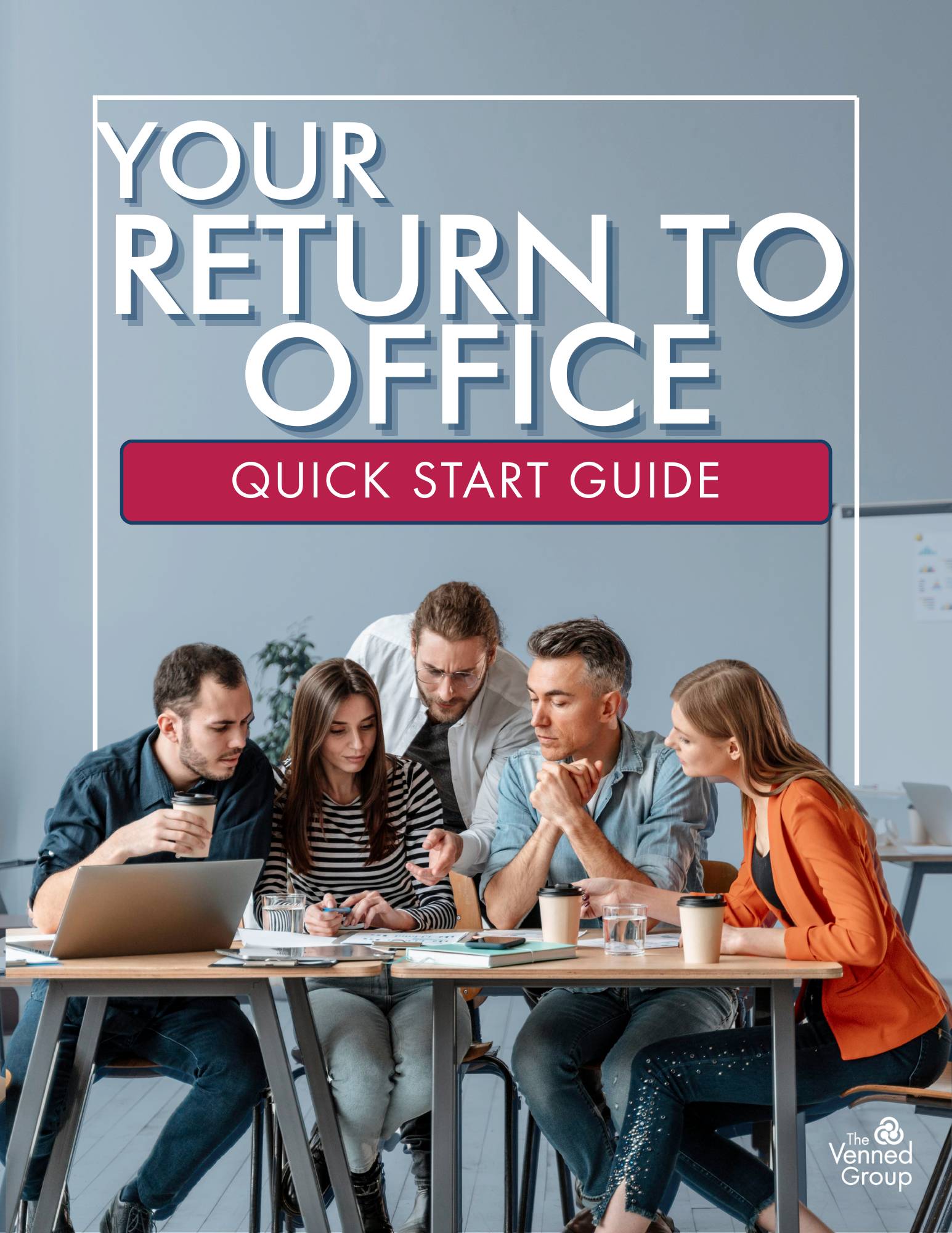 |
CA$37.00 CA$9.25
The Middle Manager’s RTO Survival Kit
Digital Workbook + Templates
Return-to-office mandates are reshaping how organizations work. Leadership sets the vision,... Read more |
 |
Using the F-Word at Work
Using the F-Word at Work: A Guide to Providing Clear & Kind Redirectional Feedback is your essential handbook for... Read more |
Unsubscribe · Preferences